

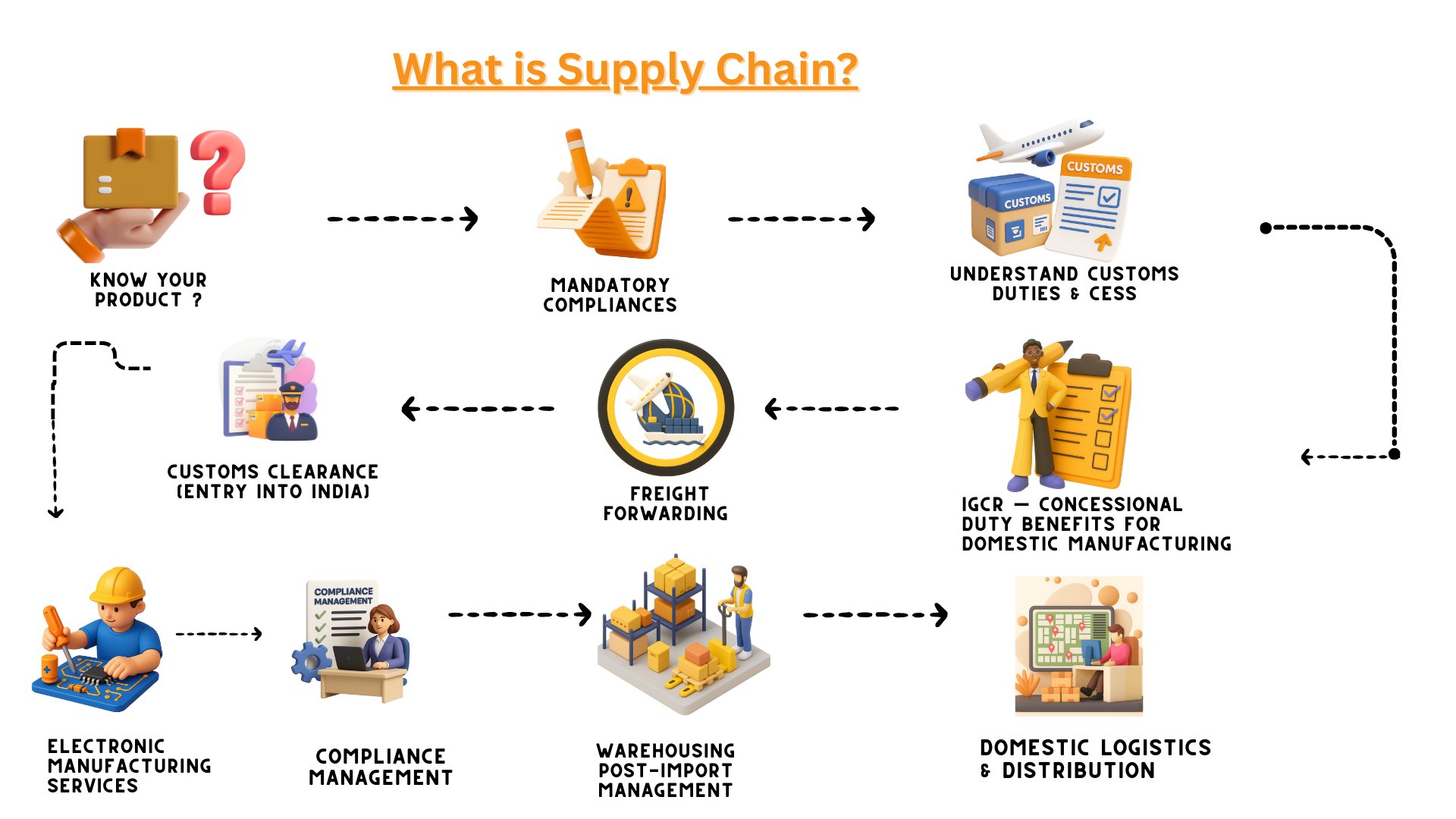
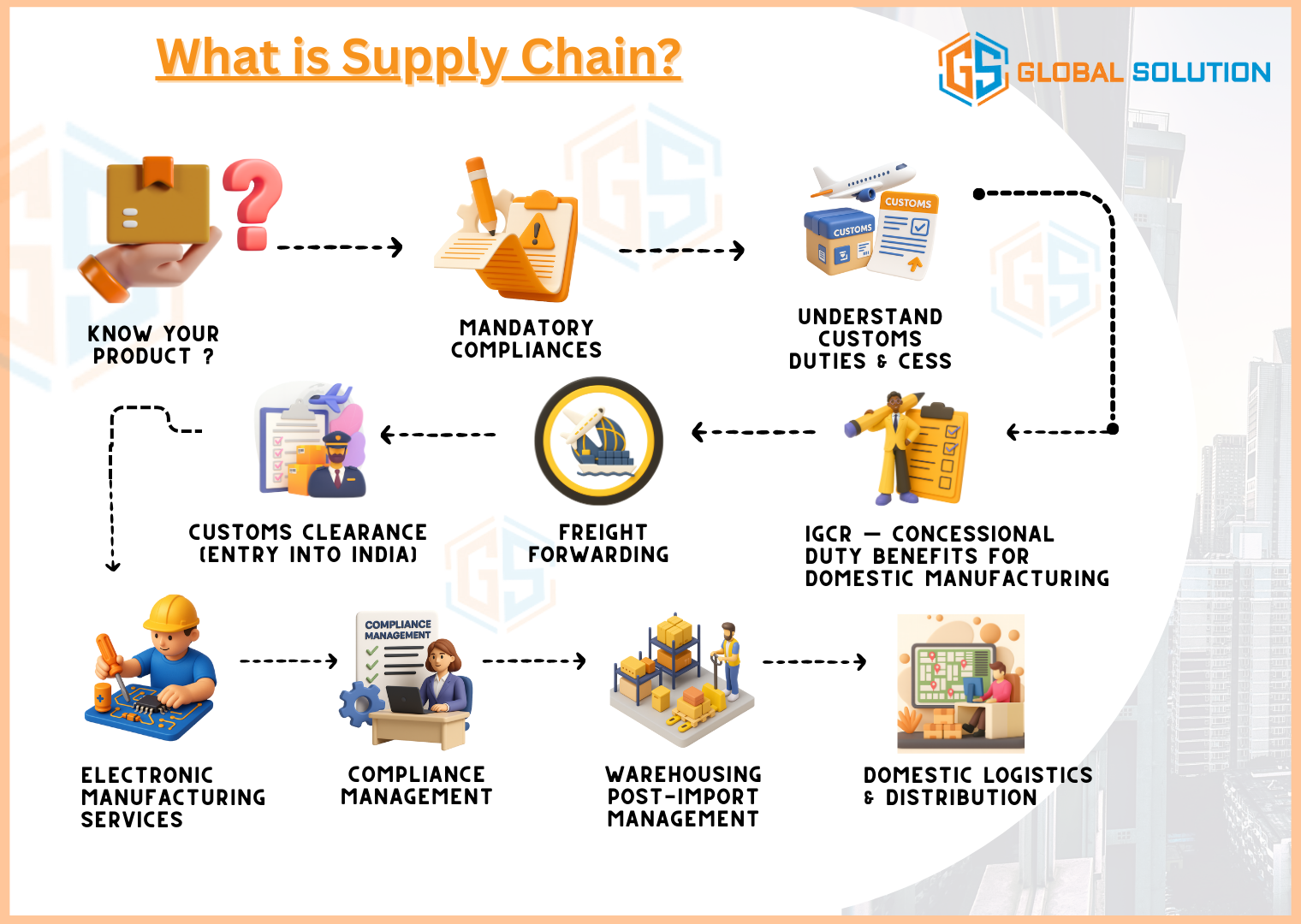
Goods getting stuck at customs is a common challenge faced by importers, especially when shipments are planned without complete regulatory and documentation clarity. While customs delays may appear sudden, they usually occur due to specific and avoidable reasons within the import process.
Understanding why goods are held at customs helps businesses plan better, reduce delays, and avoid unnecessary costs.
Documentation Errors or Mismatch
Customs clearance depends heavily on accurate documentation. Invoices, packing lists, Bills of Lading or Airway Bills must match the actual shipment details. Any inconsistency in product description, quantity, value, or consignee details can result in customs queries and clearance delays.
Even small documentation errors can trigger additional verification or examination.
Incorrect HS Code Classification
HS code classification determines customs duty, compliance requirements, and import policy applicability. When the declared HS code does not align with the actual product, customs may reassess the shipment.
This often leads to duty changes, penalties, and extended clearance timelines, making HS code accuracy a critical factor in smooth imports.
Missing Mandatory Compliances
Many products require mandatory approvals such as BIS, CRS, EPR, Legal Metrology, or other regulatory certifications before import. If these compliances are not completed in advance, customs will not allow clearance.
In such cases, shipments may remain stuck at the port, leading to storage charges, re-export, or even destruction of goods.
Valuation Issues
Customs closely examines the declared value of imported goods. If the value appears undervalued or inconsistent with market norms, customs may raise valuation queries.
Valuation disputes often result in reassessment, additional duty demands, and clearance delays.
Import Policy Restrictions
Some products are freely importable, while others are restricted or prohibited under India’s import policy. Importing restricted goods without the required license or approval can lead to immediate customs hold.
Many importers face this issue when import policy checks are not done before shipment dispatch.
Customs Examination and Inspection
Customs may order physical examination of goods to verify classification, value, or compliance. While this is a standard procedure, any discrepancy found during examination can delay clearance and increase costs.
Examinations often lead to demurrage and detention charges if clearance is prolonged.
Lack of Pre-Import Planning
In many cases, goods get stuck at customs due to overall lack of planning. When HS code verification, compliance checks, duty planning, and document review are done after goods arrive, delays become unavoidable.
Proactive planning before shipment dispatch significantly reduces customs-related risks.
Conclusion
Goods getting stuck at customs is rarely accidental. Most delays arise due to documentation gaps, incorrect classification, missing compliance, or inadequate pre-import planning. Importers who address these factors early can avoid delays, control costs, and ensure smoother customs clearance.

